


Center for Space Science and Engineering Research
Aerospace Corporation Collaboration
The Aerospace Corporation continues collaboration with Space@VT to bring new opporunities to faculty and students through mentoring major design experience projects in the Bradley Department of Electrical and Computer Engineering. This collaboration has been fostered by Afroze Mohammad in Virginia Tech's Center for Economic and Community Engagement. Read more
Cislunar Enterprise
Space@VT faculty members Scott Bailey, Jon Black, and Afroze Mohammed have joined Aerospace Corporation as well as VT's Innovation Campus, Purdue University, and Johns Hopkins Applied Physics Lab in taking a leadership role in community planning for the rapidly expanding utilization of orbits out to the moon, the Cislunar Enterprise. So far this group has produced two white papers and held three Technology Exchange Meetings. They address technology challenges, the needed evolution in workforce training, and policy implications. The white papers can be found at: Enabling a Robust Ecosystem in Cislunar Space Leveraging Commerical Solutions , Enabling the Future Cislunar Space Enterprise Cislunar.
Virginia Tech Alumni in space featured by LINK+LICENSE+LAUNCH. See the next frontier of space priemer site for more videos from Virginia Tech alumni working in the space industry.
Researchers at Space@VT study the geospace environment...
...including the effects of space-weather events on the structure and dynamics of the Earth’s atmosphere and ionosphere.
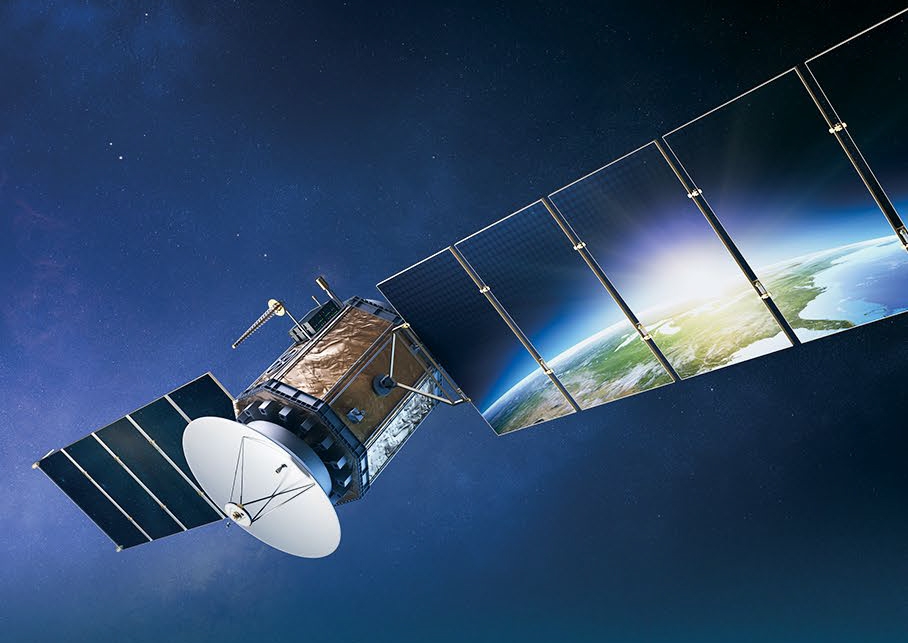
Using ground-based radar probes, sounding rockets, high-altitude balloons, and satellites, we investigate phenomena like the 2017 solar eclipse; effects of short and long duration solar variability on the Earth’s upper atmosphere; upper atmospheric dynamics, chemistry and radiation; coupling phenomena between the solar wind and the Earth’s magnetosphere; and polar mesospheric clouds.
Geospace upper-atmosphere investigations
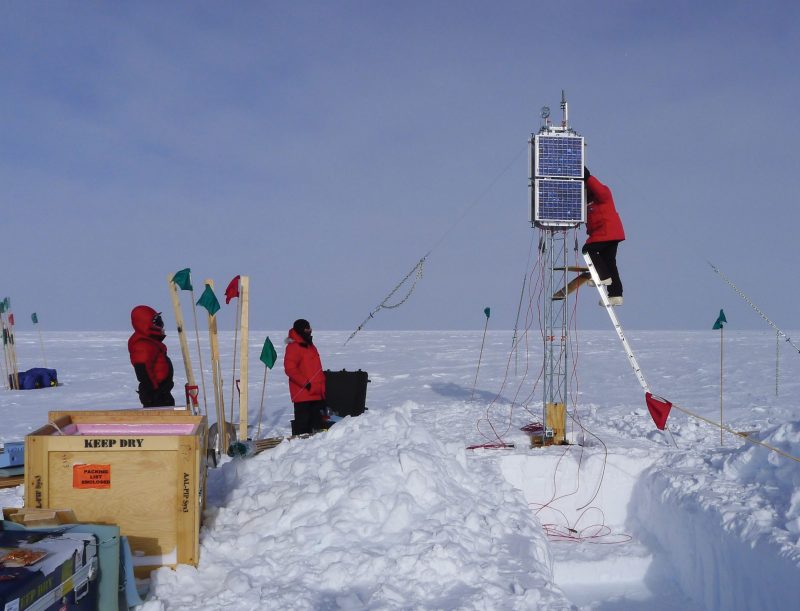
ECE researchers operate six autonomous, adaptive remote data collection platforms on the East Antarctic plateau. The platforms support fluxgate and induction magnetometers, dual frequency GPS receivers, and a high-frequency radio experiment to investigate high latitude space weather phenomena. Recent research has focused on magnetohydrodynamic wave events initiated by solar wind pressure pulses and seasonal interhemispheric differences in conductivity.
Exploring the upper atmosphere in the long polar night
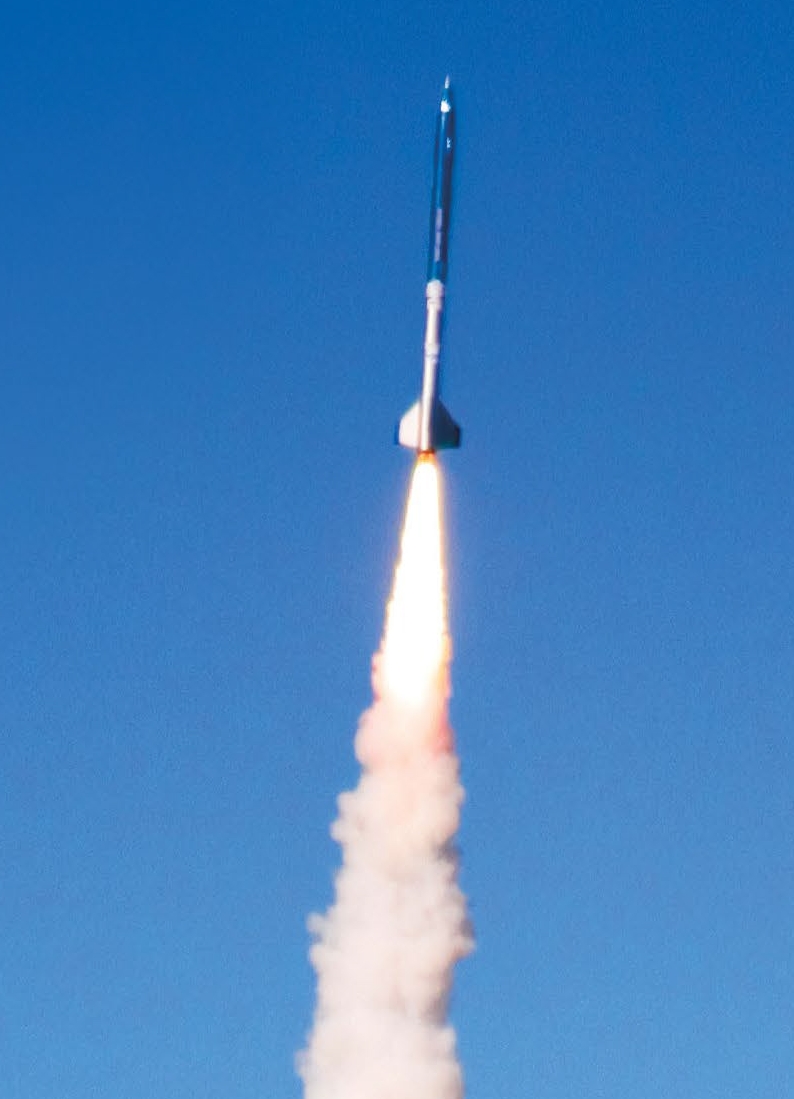
A sounding rocket program is underway to explore the upper atmosphere of the Earth’s polar night. This region is difficult to access and is relatively unobserved. We are particularly interested in the concentration of aurora-produced nitric oxide—which is a catalytic destroyer of ozone. The long polar winter nights are expected to contain large levels of nitric oxide, but with few observations, this is not well understood.
Aeronomy of ice
ECE researchers are engaged in further studies of middle atmosphere gravity waves in NASA’s Aeronomy of Ice (AIM) mission. New algorithms to determine stratospheric gravity wave morphology will be applied to more than 10 years of AIM observations to form a unique dataset for studying the coupling of the Earth’s upper and lower atmosphere.
Impacts of space-weather events on the ionosphere
ECE researchers will be conducting atmospheric gravity wave studies via in-situ measurements of wave perturbations in the ionosphere and remote sensing of the middle atmosphere. These measurements can then be correlated with weather maps of the lower atmosphere, allowing for atmospheric coupling studies over a wide altitude range.
Radiative impacts of pollutants
ECE researchers are developing new instrumentation to observe the radiative impacts of pollutants. The new instruments are compact, robust, and suitable for implementation on constellations of satellites.
Mapping geospace phenomena
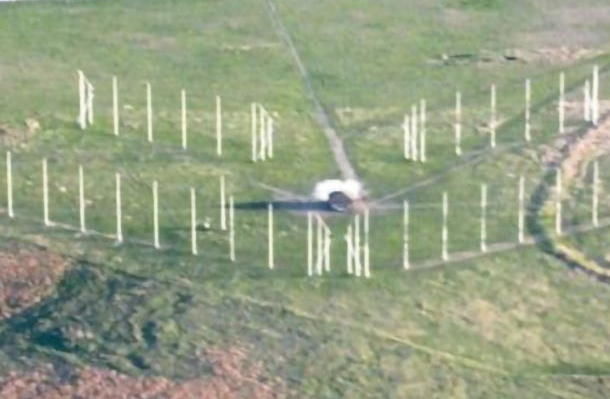
The Virginia Tech Super Dual Auroral Radar Network (SuperDARN) operates five high-frequency (HF) radars. We are investigating cause-and-effect influences in the solar wind-magnetosphere-ionosphere system using a variety of ground- and space-based datasets. Recent research examined the north-south inter-hemispheric symmetry of the Sub-Auroral Polarization Stream (SAPS).
Mapping polar ionospheric field-aligned currents
An ECE investigation examined how the currents flowing in and out of the ionosphere respond to the interplanetary electric field, the product of the solar wind velocity and Earth’s magnetic field. We found that the magnetic field-aligned currents have a linear response to the level of solar wind driving, which was surprising since the electric fields in the ionosphere have been known to level off, or saturate, as the interplanetary electric increases.
News Highlights
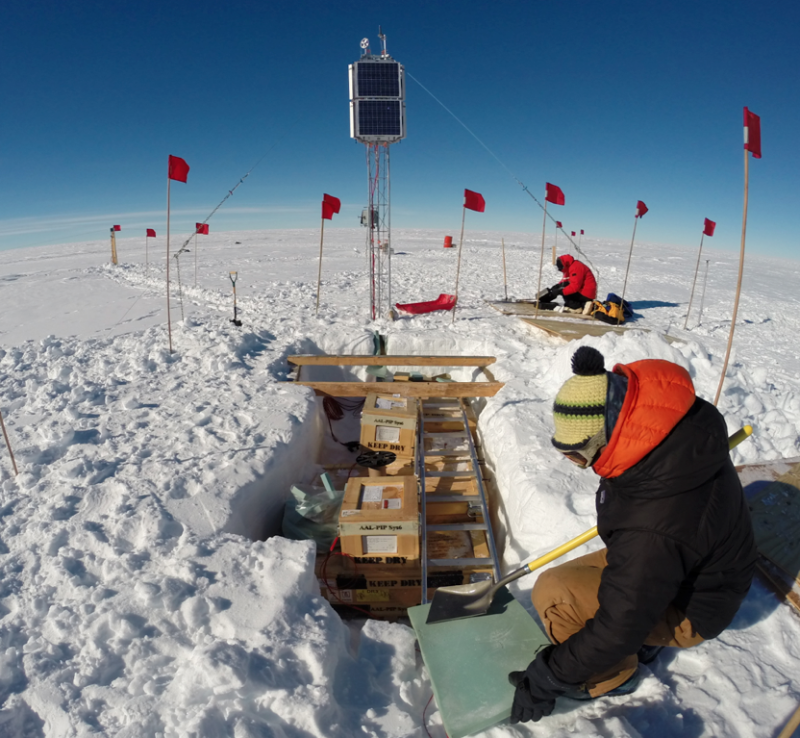
Dr. Zhonghua Xu along with the AALPIP magnetometers featured in an NSF article on auroras.
Dr. Mathieu Joerger is featured on Virginia Tech's "Engineering Explained" on how does GPS work?
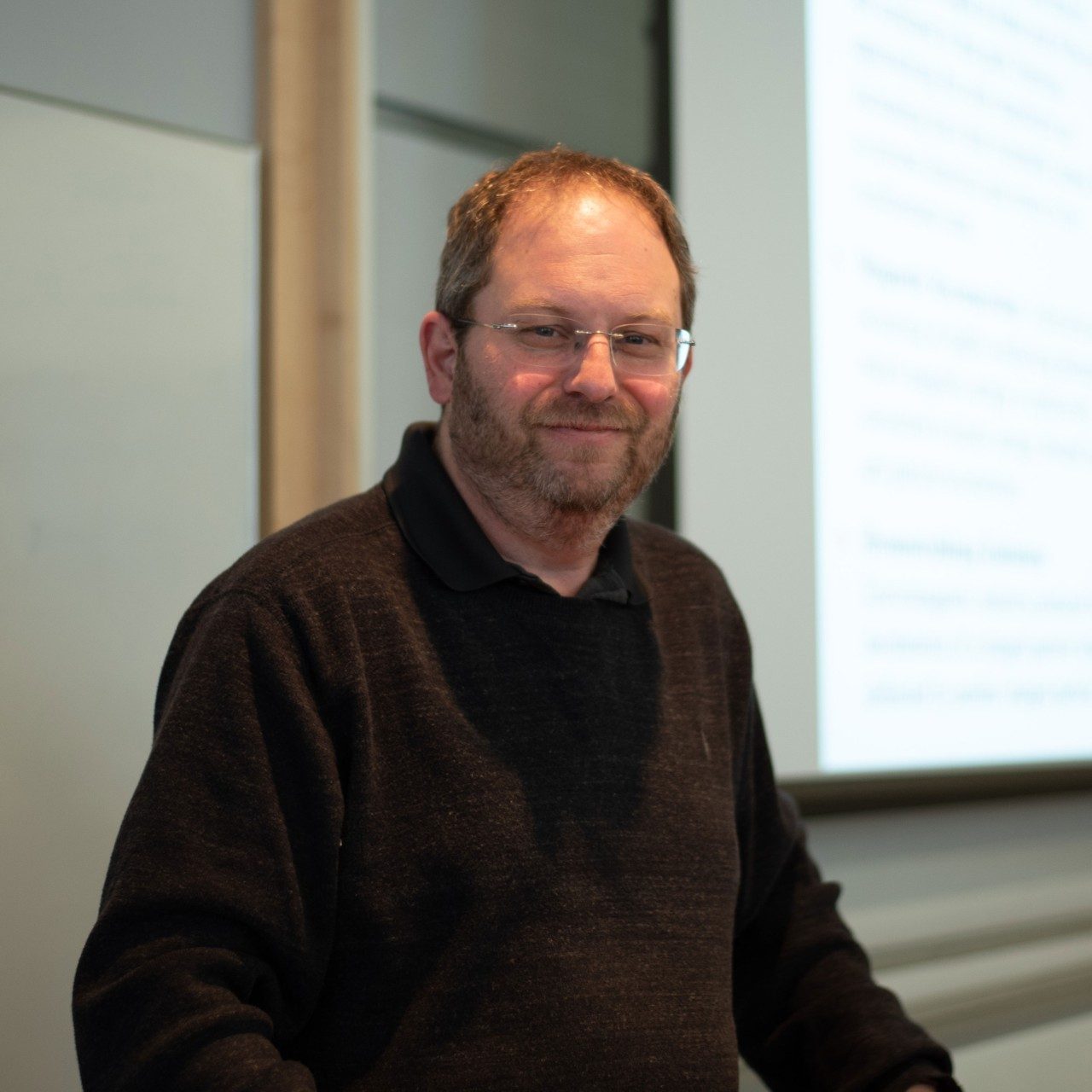
Dr. Bailey selected by NASA to lead one of three concept teams for the DYNAMIC (DYnamical Neutral AtMosphere-Ionosphre Coupling) mission. Read more....

Dr. Scott England named the Crofton Facluty Fellow by the Aerospace and Ocean Engineering Department. Congratulations! Read more...

Dr. Riley Fitzgerald named the Ryan and Krista Frederic Junior Faculty Fellow by the Aerospace and Ocean Engineering. Congratulations! Read more...
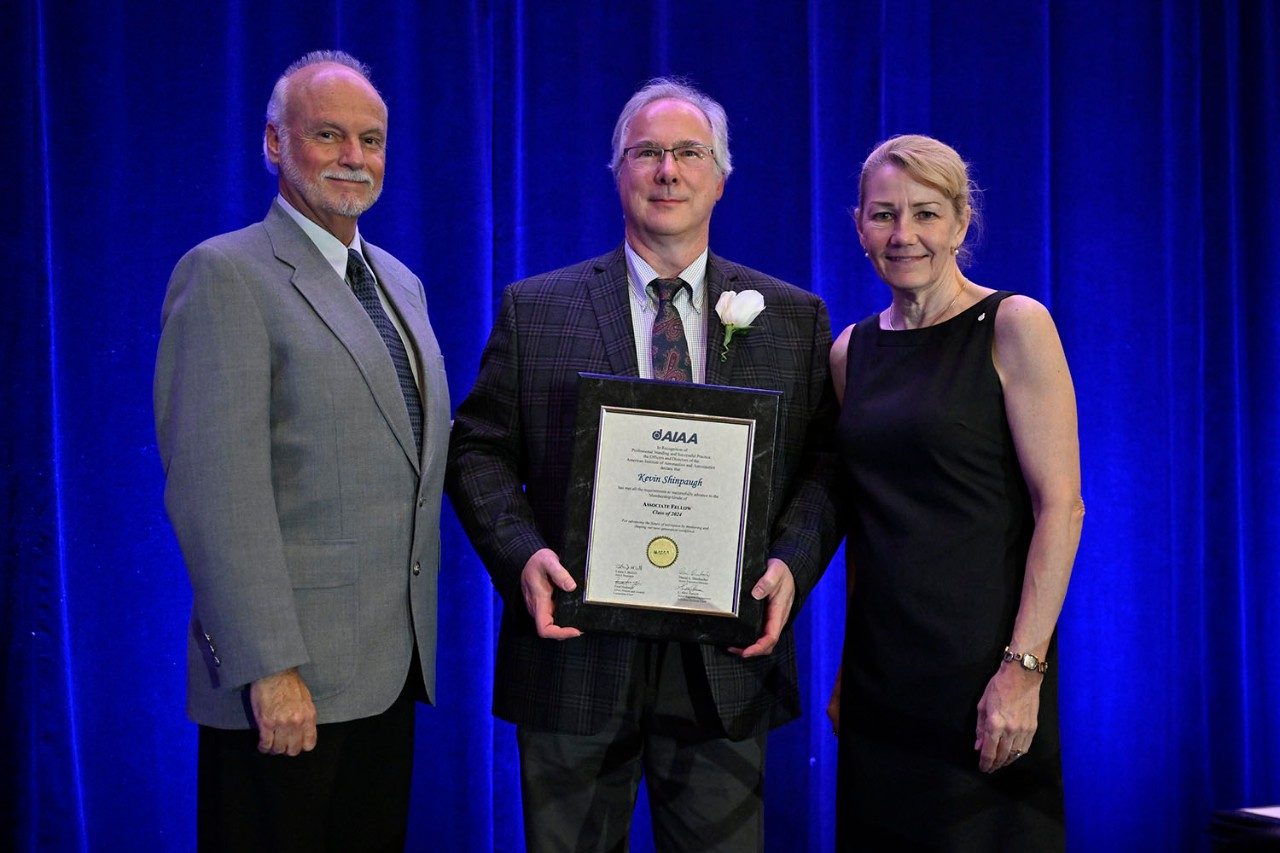
Dr. Kevin Shinpaugh elected as an associate fellow of the American Institute of Aeronautics and Astronautics (AIAA). Congratulations! Read more...
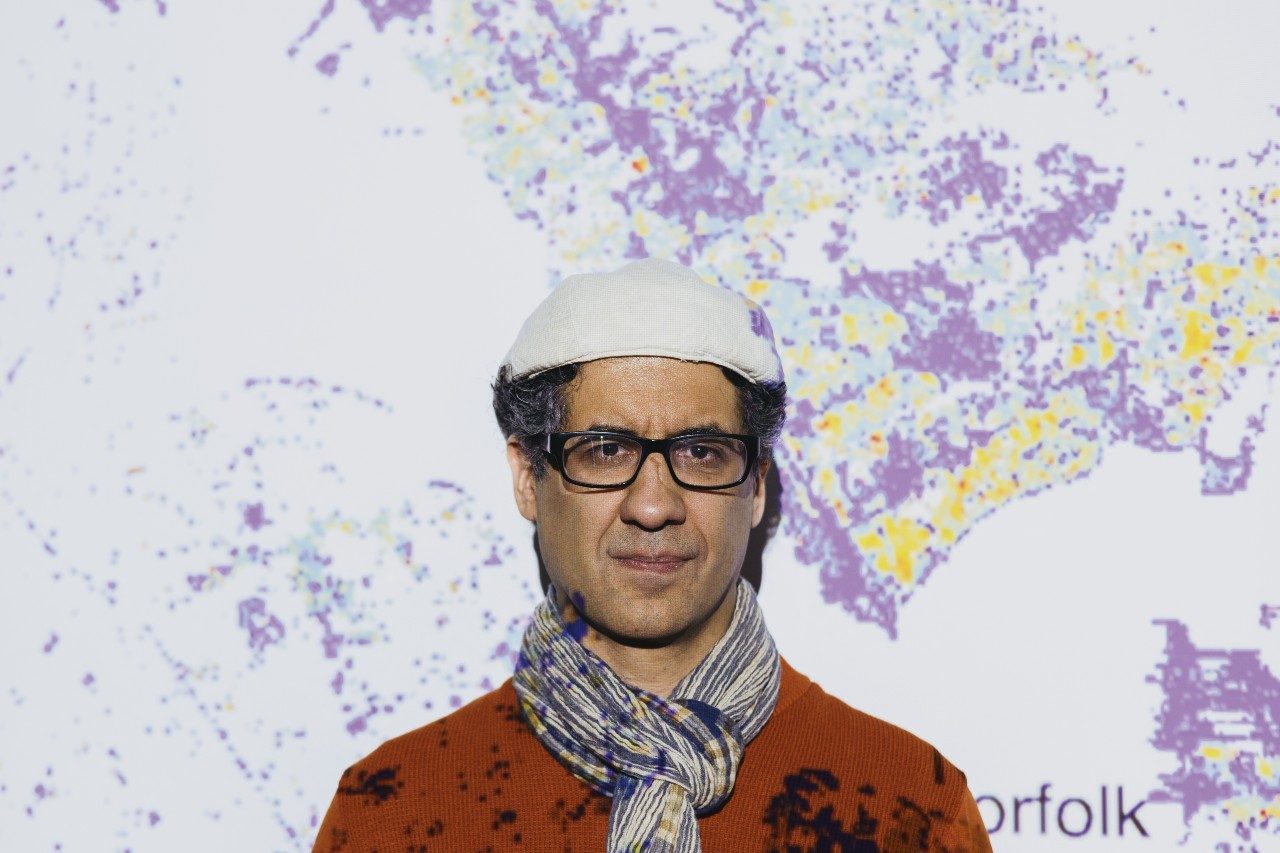
Dr. Manoochehr Shirazaei shares work on sinking land to the United Nations University. Read more...
Dr. Black and the team behind the satellite communications test bed is awarded a $2 million grant from NSF. Read more...
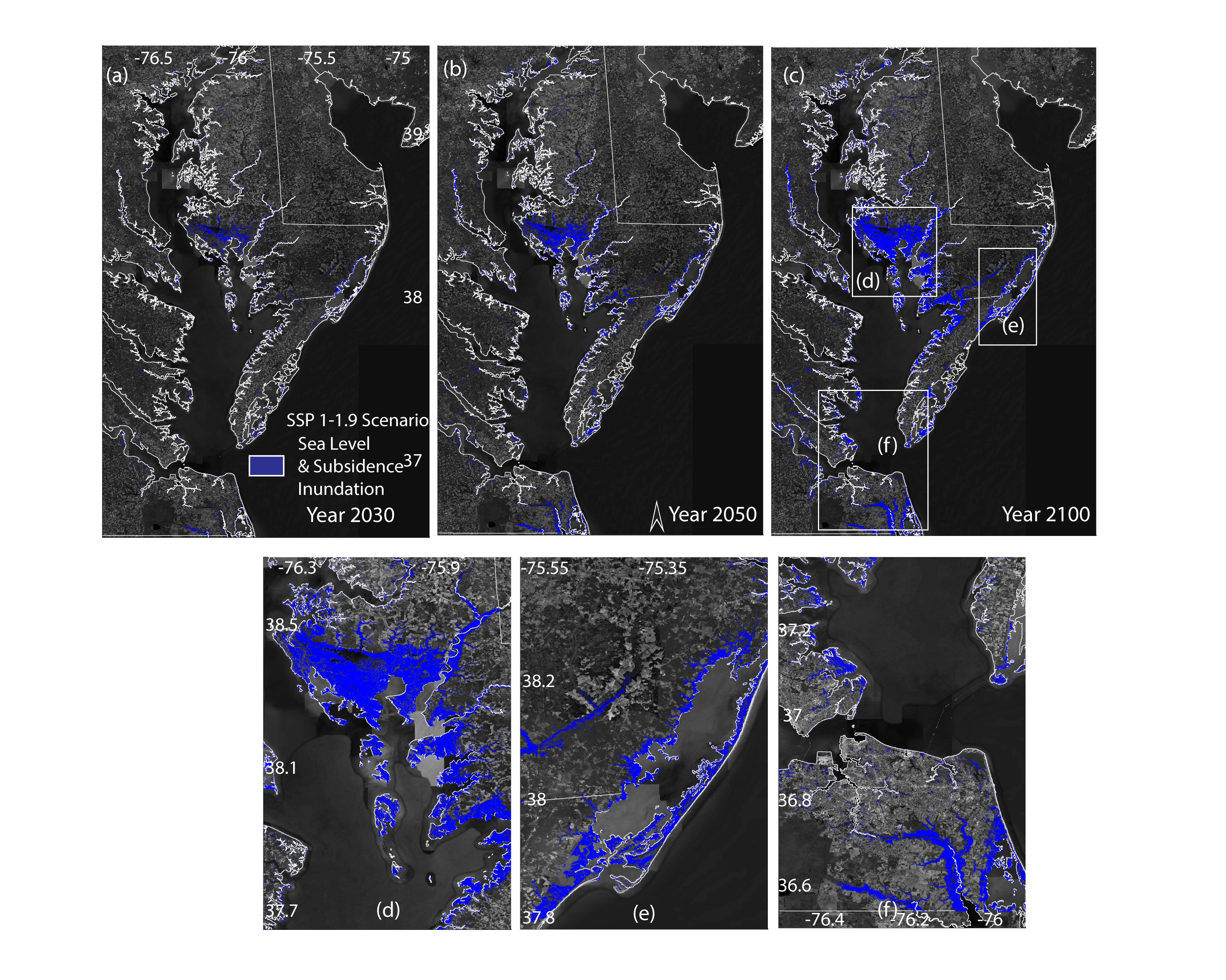
Dr. Manoochehr Shirazaei and Ph.D candidate Sonam Futi Sherpa publish new findings on the Chesapeake Bay shoreline sinking using satellite SAR data. Read more...
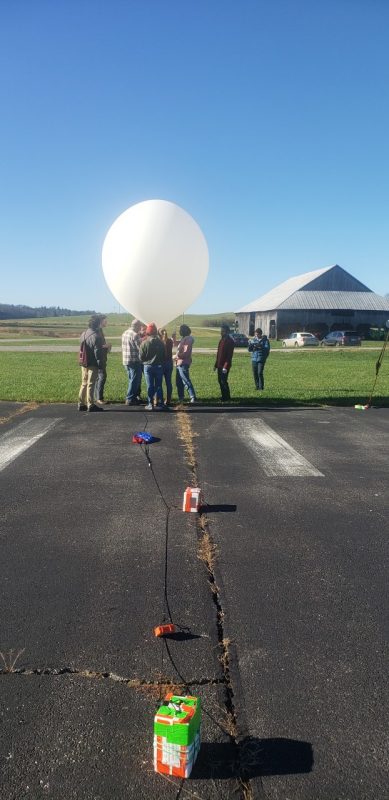
The High-Altitude Ballooning at Virginia Tech (HAB@VT) has been selected to participate in the Nationwide Eclipse Ballooning Project (https://eclipse.montana.edu/) with the goal of streaming live video from a balloon during the Oct. 2023 and April 2024 solar eclipses.
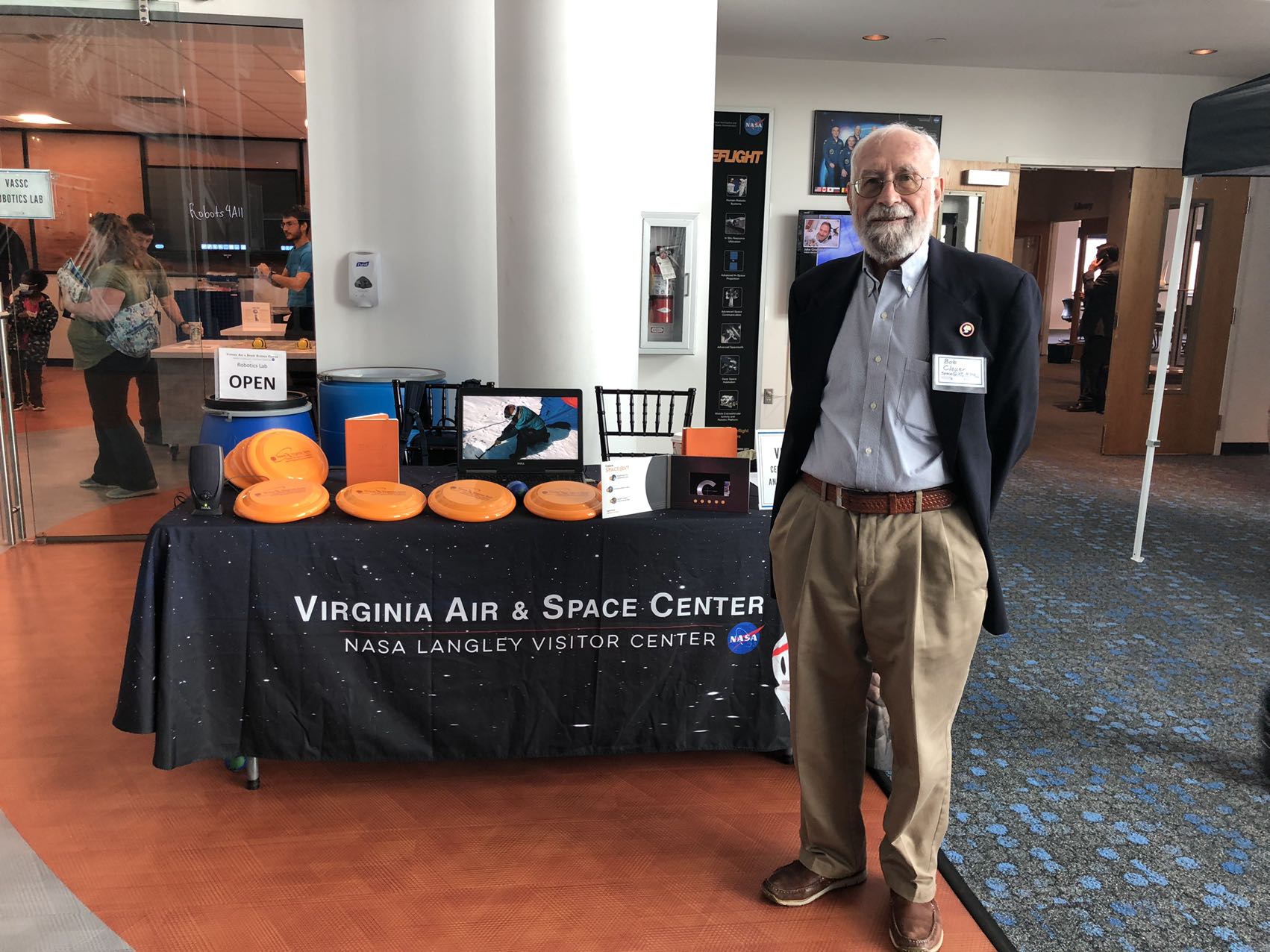
Space@VT researchers Dr. Bob Clauer and Dr. Zhonghua Xu talked with high school students at the Virginia Air & Space Center's STEM event.
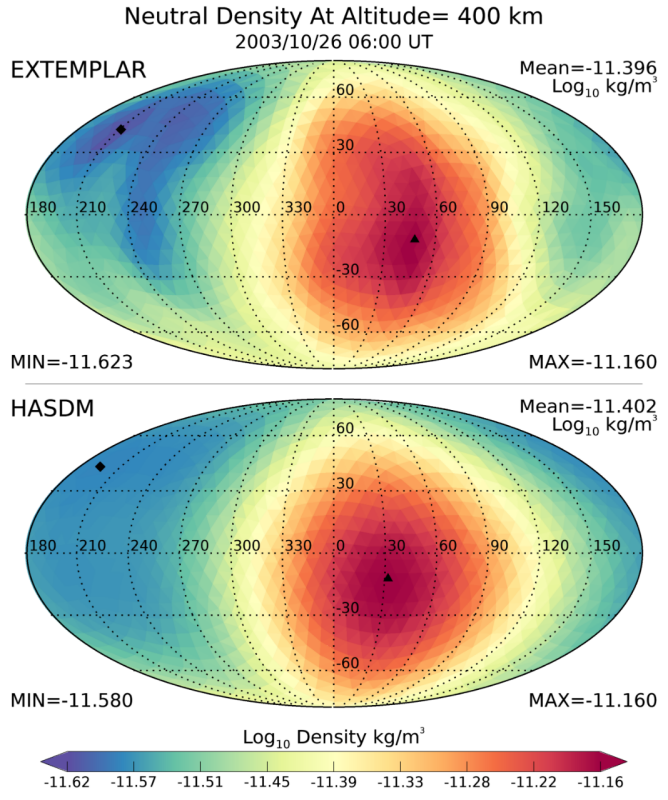
Dr. Daniel Weimer's work in modelling Earth's atmosphere for satellite drag applications is featured by Scientia.
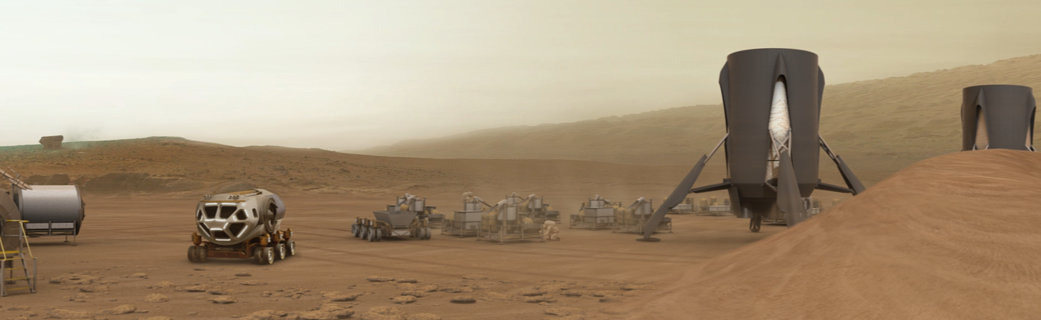
NASA has announced 2 of 15 finalist teams for the agency's Revolutionary Aerospace Systems Concepts – Academic Linkage (RASC-AL) competition are from Virginia Tech. Congratulations to the teams for Mission Khione: Martian Autonomous Propellant Harvesting Station and Project Raikou advised by Dr. Kevin Shinpaugh and other Space@VT faculty! Read more on these teams...
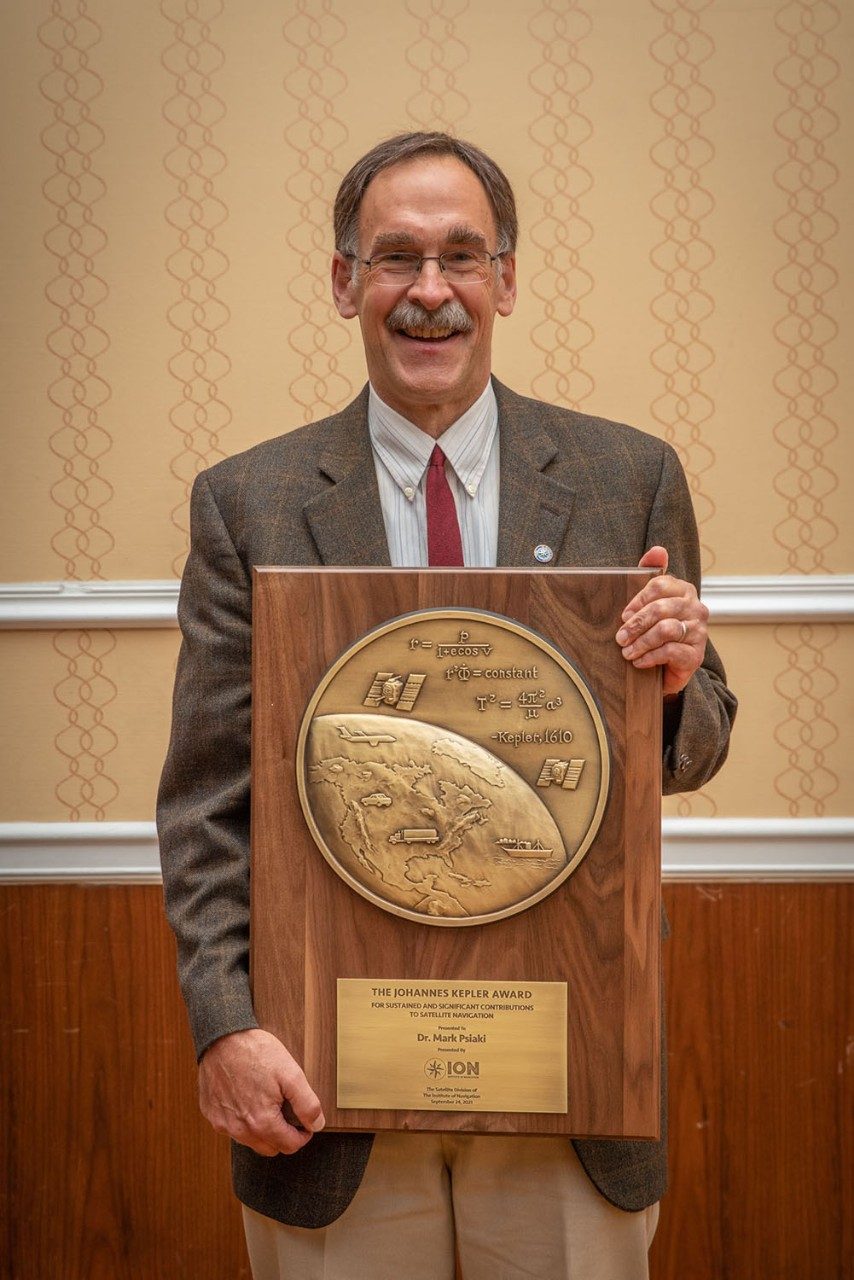
Dr. Mark Psiaki is the 2021 winner of the Johannes Kepler Award, the highest honor bestowed by the Institute of Navigation's Satellite Division. Dr. Psiaki received this award at the ION GNSS+ 2021 Conference in St. Louis, Missouri. More on this award and Dr. Psiaki's contributions to the area of satellite navigation.